Strategic Planning Consultants for Canadian Nonprofits
We build strategic plans from evidence: what your community needs, what your stakeholders told us and what your organization can realistically deliver. The result is a plan your board and staff use to make decisions, not one that sits on the shelf.
From a full multi-year plan to a focused mid-cycle refresh, scoped to the size of your organization and the decisions ahead.
Environmental scan and evidence base
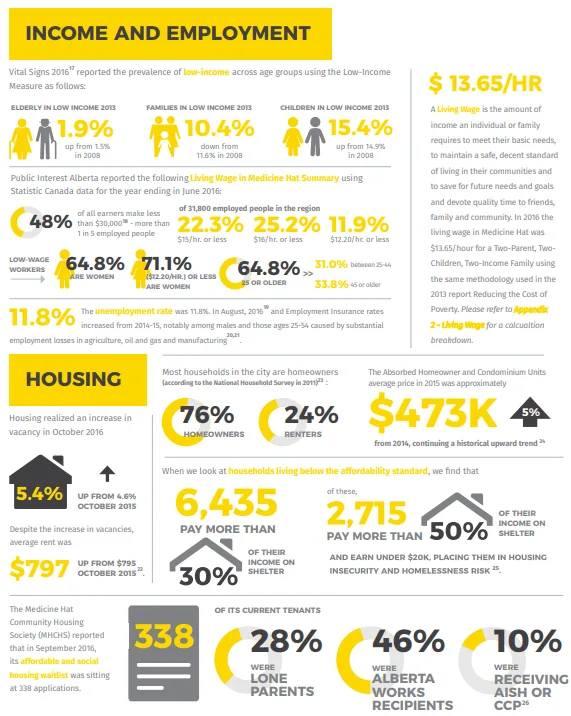
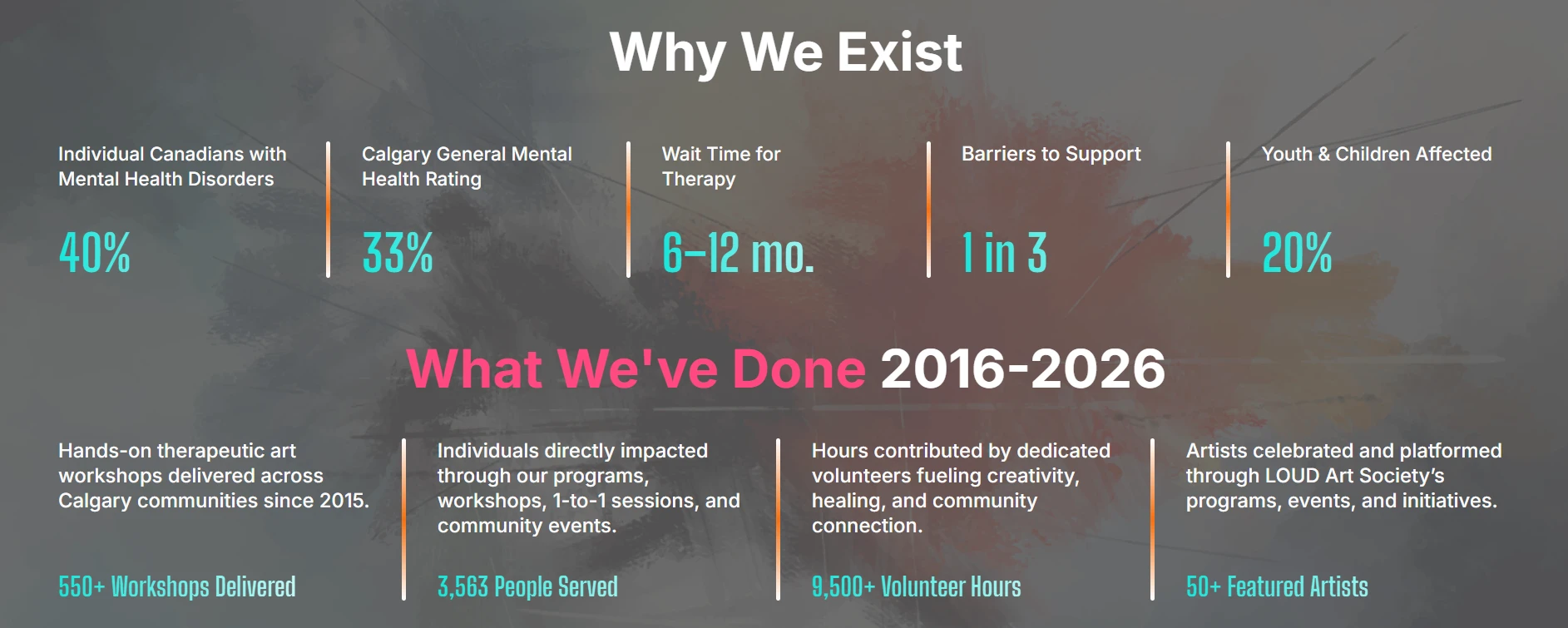
Community needs, population trends, policy changes, the funding landscape and your own program and financial data, brought together so planning starts from evidence.
Typical deliverables: Environmental scan, community data profile, organizational data review
Multi-group stakeholder research
Interviews, focus groups and surveys across board, leadership, staff, clients, families, partners and funders, analyzed systematically so every group’s input is visible in the plan.
Typical deliverables: Engagement plan, interview and survey guides, thematic synthesis
Strategic directions and priorities
Facilitated sessions with your board and leadership that turn the evidence into a small number of directions, with real decisions about what to do less of.
Typical deliverables: Facilitated sessions, strategic directions, vision and priorities
Implementation roadmap
Objectives, actions with owners, phasing, resources and an enabling framework, so each direction connects to budgets and operational plans.
Typical deliverables: Implementation roadmap, enabling framework, operating plan alignment
Monitoring and progress reporting
A small set of indicators for each direction and a review rhythm for leadership and the board, so the plan keeps guiding decisions after it is approved.
Your strategic plan is ending, or no longer reflects how the organization actually works.
Board, leadership and staff see priorities differently and need a shared direction.
A new executive director wants a clear mandate grounded in evidence.
Growth, a merger or a funding change is forcing decisions about programs and structure.
Funders are asking how your applications connect to a strategy.
Who this is for
Executive directors and boards of Canadian nonprofits, charities and social service organizations entering a new planning cycle.
Plans you can trace back to evidence
Every strategic direction we write can be traced to the community data and stakeholder input behind it. That makes the plan easier to explain to staff, harder to set aside and easier to fund.
Sound familiar?
Tell us what has prompted the plan and who needs to be part of it.
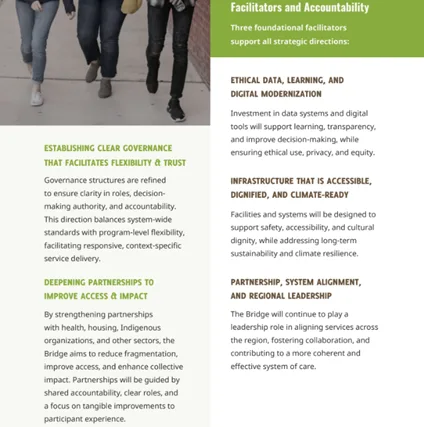
Evidence-grounded 2026-2030 strategic plan built from six-group stakeholder research, five strategic directions, enabling framework, phased implementation, and monitoring approach.
Strategic PlanStrategy & Organisation
Research Framework
Research Framework
Youth & Family Services
The Bridge Youth & Family Services
Qualitative Stakeholder Synthesis
AI-assisted coding and thematic synthesis across six stakeholder groups, Board, leadership, staff, youth, adults, and early years, producing crosscut intelligence for a five-year strategic plan.
You tell us about the project, your deadline and any constraints. We'll tell you plainly whether we're the right fit and what a useful scope would look like.
Step 2
Scope and proposal
We confirm deliverables, timeline, roles and fees in a written scope before any work begins, so expectations are clear on both sides.
Step 3
Delivery
We do the work with regular check-ins and reviewable drafts. Your team stays close to the content without carrying the workload.
Step 4
Handover
Final deliverables arrive in formats your team can use and adapt, with a walkthrough so the knowledge stays in your organization.
Common questions
How long does a strategic plan take?
It depends on the size of the organization and how many stakeholder groups are involved. We set out the timeline in the scope, after the first conversation.
Who do you involve in the research?
Usually board, leadership and staff, and often clients, families, partners and funders. We design the engagement around the people whose experience the plan will change.
How many years should our plan cover?
Three to five years is common. Longer plans keep their directions stable and refresh actions and phasing each year; shorter plans suit organizations going through rapid change.
Do you facilitate board and leadership sessions?
Yes. Facilitated sessions are where the evidence becomes decisions. We bring the research findings into the room so the conversation starts from what the organization has learned.
Do you help with implementation?
Every plan includes an implementation roadmap and a monitoring approach. We can also design the program models, indicators and funding strategy that follow from it.
What should I include in my first message?
When your current plan ends, what has prompted a new one, roughly how many programs and staff you have, who needs to be involved and when you would like to finish. Rough is fine.
Where do you work?
We're based in Calgary and work with organizations across Canada. Most engagements are delivered remotely, with on-site work where the project calls for it.
Related insights
Straight answers to questions we hear in first conversations.