Quick answer
An ad hoc grant writer is hired one application at a time: you bring the opportunity and the deadline, they write it. A strategy-led grant writer starts a step earlier, working out which funders genuinely fit your organization, in what order and with what evidence, then writes applications that follow that plan.
Ad hoc works when you already know exactly what to apply for and why. If you depend on a few funders, keep chasing deadlines, or can’t say which opportunities are worth staff time, the strategy is the missing piece, and every application written after it is faster to produce and more likely to fit.
Why nonprofits end up shopping for grant writers
It usually starts with a deadline. A promising opportunity appears, the executive director is already at capacity, and someone suggests getting quotes from a few grant writers. The quotes come back in different shapes: an hourly rate, a flat fee per application, a monthly retainer. The natural move is to compare them on price.
The trouble is that the quotes often describe different work. One writer is pricing a single document. Another is pricing the thinking that decides whether that document should be written at all, and what should come after it. Side by side as line items, the second always looks more expensive, because it is solving a bigger problem.
Neither approach is wrong. But choosing between them on price alone is a little like choosing between a contractor and an architect on hourly rate. You need to know which job you have before the comparison means anything.
Two different services under one job title
“Grant writer” covers a wide range of work. In practice, most engagements fall into one of two models.
Ad hoc grant writing
The engagement is defined by a single opportunity. You identify the funder, share your program information, and the writer turns it into a complete, well-organized application before the deadline. Once it is submitted, the engagement ends. If you need another application, you start again, sometimes with a different writer.
Strategy-led grant writing
The engagement is defined by your organization’s funding needs over the next one to three years. The writer first establishes where your money comes from now, where the realistic opportunities are, which ones fit your mission and capacity, and what evidence you need to compete. Applications are then written as part of that plan, each one building on the last.
The writing skills overlap a great deal. The difference is what happens before the first sentence is drafted, and what is left behind after the last one is submitted.
Side by side
| Ad hoc grant writing | Strategy-led grant writing | |
|---|---|---|
| Starting point | A deadline you have already found | Your organization’s funding needs and goals |
| Who chooses the funder | You, usually before the writer is involved | Decided together, using agreed fit and effort criteria |
| Main deliverable | One submitted application | A funder map, a grant calendar, and the applications that follow from them |
| Evidence base | Whatever is on hand when the deadline arrives | Built once (needs data, outcomes, logic model) and reused |
| Saying no | Rarely part of the scope | Declining poor-fit opportunities is part of the job |
| After submission | The engagement ends | Reports, renewals and the next application are already planned |
| What you keep | A single application | A reusable case for support and evidence base |
| Best suited to | Organizations with a clear plan and a single clear opportunity | Organizations that rely on few funders, are growing, or keep missing deadlines |
When ad hoc grant writing is the right call
There are good reasons to hire a writer for a single application, and a strategy-led consultant should tell you when you are in one of them:
- You already have a funding strategy. If you know your priority funders, your calendar and your case for support, what you need is writing capacity, not more planning. Bring the strategy to the writer.
- The opportunity is unusually clear. A renewal from a funder you know well, or an invited application where fit is already established.
- You need specialist writing for one submission. A federal research grant written to peer-review standard is a different craft from a community foundation application, and you may only need that expertise once.
- Your team is covering a gap. A development lead is on leave and an application can’t wait. A maternity leave contract was the starting point for our work with Pioneer Community Living Association, which also expanded their funding into corporate foundations.
If one of these describes you, a well-scoped ad hoc engagement is efficient and sensible. The risk comes when ad hoc becomes the default for every application, year after year.
The hidden costs of funding one application at a time
Application-by-application funding rarely fails dramatically. It costs organizations in ways that are easy to miss on any single invoice:
- Poor-fit applications. Without clear criteria, organizations apply to whatever appears. Each application consumes staff time for budgets, data requests, letters of support and approvals, even when the odds were low from the start.
- Rebuilding the case every time. Each new writer, or each new deadline, starts by reconstructing who you serve, what difference you make and how you know. That work is paid for repeatedly and rarely improves.
- Programs bent around funders. When applications follow whatever is open, programs gradually reshape themselves to match funder priorities rather than community need. Reviewers can tell when a proposal was written for them rather than from your plan.
- Concentration risk. One large grant can quietly become a large share of your budget. Without a pipeline, its end date becomes a crisis instead of a planned transition.
- Reporting that goes nowhere. Funder reports are often the best evidence you produce all year. In an ad hoc model they are filed and forgotten instead of feeding the next renewal.
- Knowledge that walks out the door. When the engagement ends, what the writer learned about your organization leaves with them.
What a funding strategy actually contains
A funding strategy doesn’t need to be a long document. For most nonprofits it is a small set of working tools that your team and your writer use every week:
- A funder landscape map. The funders that realistically fit your mission, population and geography, prioritized by alignment, award size, effort and likelihood. Our sample outputs include an example.
- Go or no-go criteria. A short, agreed test for deciding which opportunities are worth pursuing, so the decision isn’t remade under deadline pressure.
- A grant calendar. Twelve to twenty-four months of application, reporting and renewal dates, with internal deadlines for budgets and approvals, so effort is spread across the year instead of arriving in emergencies.
- A core case for support. The reusable narrative about the need you address, who you serve, what you do and the difference it makes, written once and adapted to each funder. A strong strategic plan already holds most of it.
- An evidence base. Needs data, program outcomes and a logic model or theory of change. This is where funding strategy meets research and evaluation: applications are stronger when the case rests on credible evidence about the community you serve.
- A diversification view. Where your revenue comes from today, how concentrated it is, and which new funder categories you intend to develop.
- A stewardship plan. How reports, funder updates and relationships are maintained so that renewals are earned before they are requested.
Funding landscapes are geographic
One part of strategy that is easy to overlook is place. Many funders have mandates tied to geography: provincial law foundations fund within their own province or territory, community foundations serve defined communities, and provincial ministries and municipal programs fund within their own jurisdictions. An organization working across several regions has a different funder map from one working in a single city, and its strategy should reflect that.
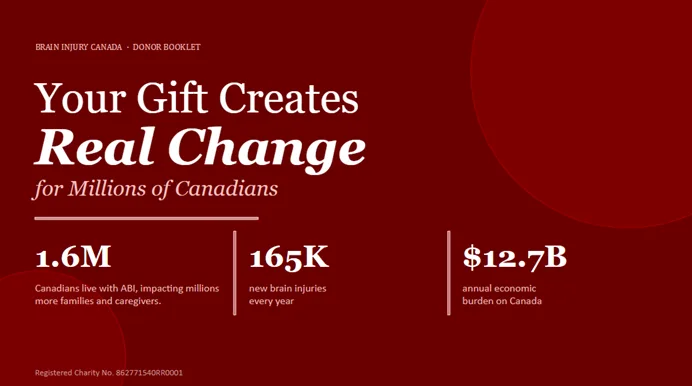
Our work with Brain Injury Canada is an example: five law foundation applications across five provinces and territories, each tailored to its jurisdiction and coordinated as one portfolio rather than written as one-offs.
What strategy-led grant writing looks like over time
The difference is clearest across several years. Two examples from our own work:
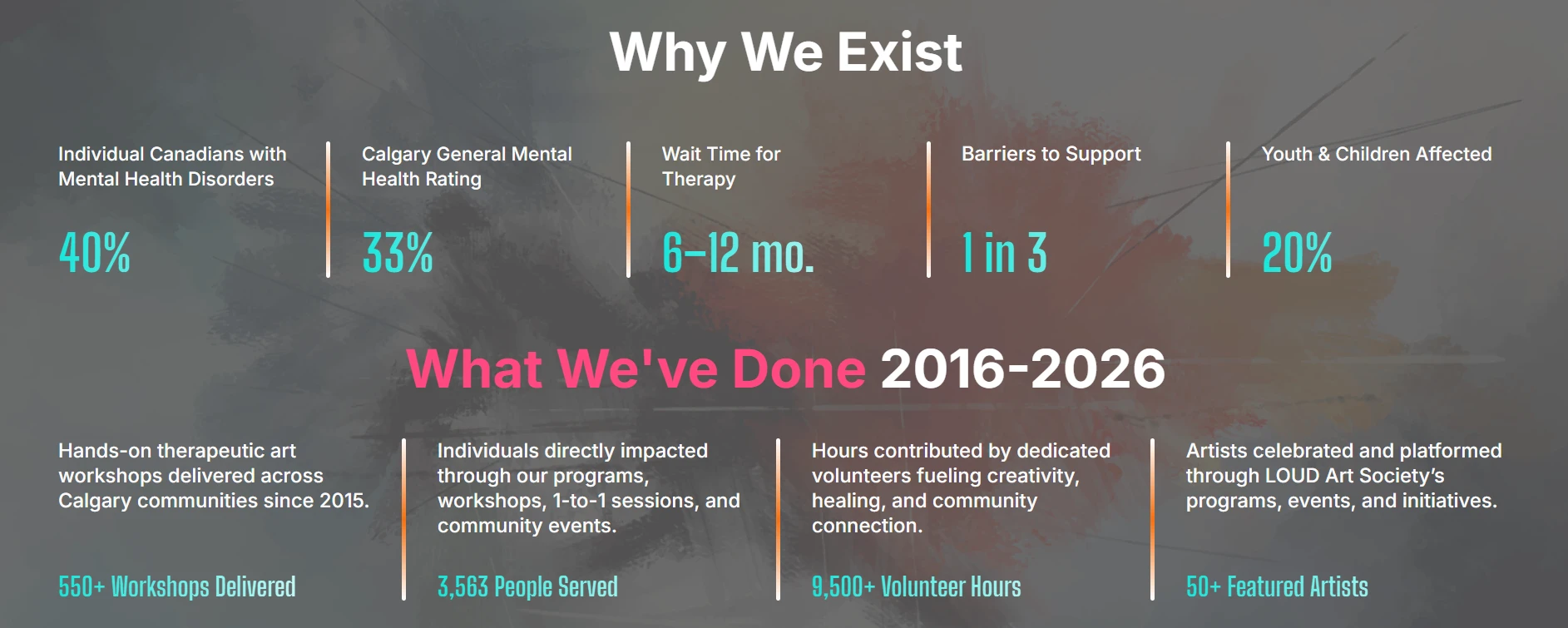
- For LOUD Art Society, four years of grant management built a portfolio of ten funders across arts, health and community streams, anchored by a business plan for 2026 to 2029.
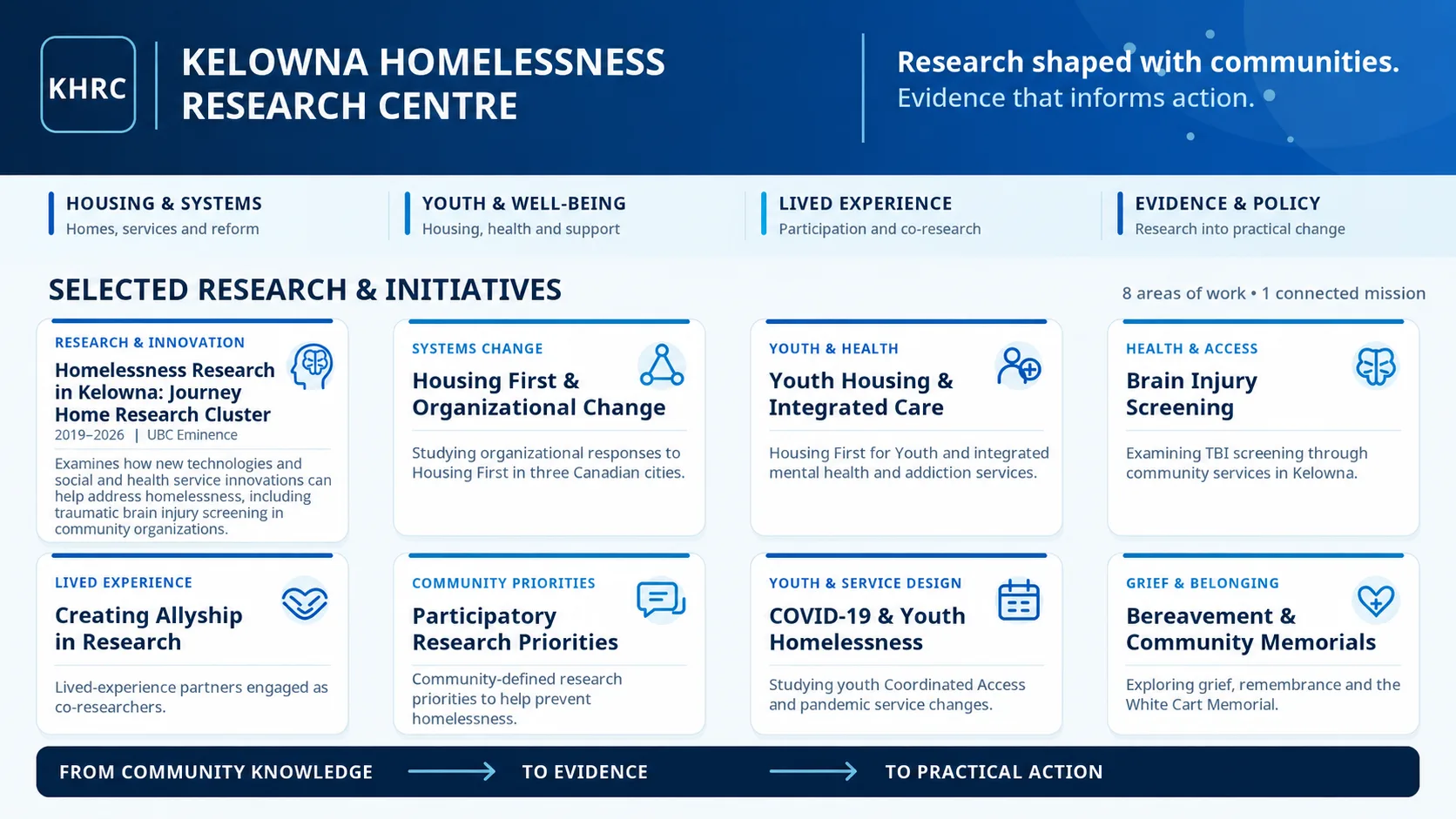
- For a UBC Okanagan research team, a 2018 SSHRC Partnership Development Grant became the foundation for six further funded grants: about $2.17M across seven awards between 2018 and 2025.
In both cases no single application carried the whole load. Each one was written knowing what came before it and what was planned after it.
Questions to ask any grant writer before you hire
Whichever model you choose, these questions show you quickly how a writer thinks. The answers matter more than the rate.
- What do you need to know about our organization before you start writing?
- A good answer goes well beyond the funder’s guidelines: your strategic plan, current funders, outcomes data, budget, and who will approve the submission.
- How do you decide whether an opportunity is worth applying for?
- Listen for criteria: eligibility, mission fit, award size relative to effort, competition, and your capacity to deliver and report.
- Have you ever advised a client not to apply?
- You want a yes, with an example. A writer who never says no is selling applications, not outcomes.
- What will we own when this engagement ends?
- The case for support, evidence summaries, budgets and any logic model should be yours to reuse, in formats your team can edit.
- Have you written for this type of funder before?
- A federal research grant, a provincial law foundation and a community foundation are assessed differently. Ask about relevant experience, not just a total dollar figure.
- What will you need from our staff, and when?
- A clear answer protects your team’s time. A vague one usually means the requests arrive in the final week.
- How are you paid?
- Expect a fixed fee or a defined scope. Be cautious of anyone offering to work for a percentage of the grant: the Association of Fundraising Professionals code of ethics prohibits members from accepting compensation based on a percentage of funds raised, and grant budgets generally can’t pay for work done before the award.
- Can you guarantee we’ll be funded?
- The only honest answer is no. Funding decisions rest with funders. What a writer can do is improve your odds: choose the right opportunities, meet every requirement and make the strongest possible case.
What to have ready for the first conversation
You’ll get a more accurate scope from any writer with these in hand:
- Your current funder list, with award amounts, end dates and reporting deadlines.
- Your last two or three applications, funded and declined, and any funder feedback.
- Your strategic plan, or the priorities your board has agreed if you don’t have a current one.
- Whatever outcomes data you collect, even if it is incomplete.
- Organizational and program budgets.
- The specific opportunity and deadline, if one prompted the call.
- Who internally can make decisions and sign off on submissions.
If the conversation shows you need a strategy before an application, a good consultant will say so plainly. They should also tell you when the opportunity in front of you is worth pursuing now, with the strategy built alongside it.
Common questions
Is a funding strategy only for large organizations?
No. Smaller organizations often benefit most, because staff time is their scarcest resource and poor-fit applications cost them proportionally more. For a small nonprofit, a strategy can be as simple as a prioritized funder list, go or no-go criteria and a twelve-month calendar.
How do we know whether we need a strategy or just a writer?
If you can name your next five applications, why each one fits and when each is due, you most likely need writing capacity. If you can’t, start with the strategy.
Can we build the strategy ourselves and hire a writer only for applications?
Yes. If you already have a clear funder map, calendar and case for support, a writer can work directly from them. Share them at the first meeting so the scope reflects what is already done.
Does a funding strategy guarantee more grants?
No. Funding decisions rest with funders. A strategy improves how your time is spent and how strong each application is, and it reliably reduces effort wasted on poor-fit opportunities and last-minute applications.
Should we use one grant writer or several?
Continuity helps. A writer who already knows your organization, funders and evidence spends less time rebuilding context and more time strengthening the case. If you do work with several writers, a shared case for support and evidence base keeps your applications consistent.
What is the difference between a grant writer and a grant consultant?
The titles are used loosely. What matters is the scope: whether the work covers drafting only, or also funder research, opportunity selection, evidence development, calendar management and reporting. Ask for the scope in writing.
The short answer
Ad hoc grant writing produces an application. Strategy-led grant writing produces a funding plan and the applications that follow from it. Hire per application when the plan already exists and the opportunity is clear. If you are choosing funders under deadline pressure, start with the strategy.
Geo-Lens is a Calgary-based research, evaluation and funding consultancy working with nonprofits, charities, health organizations and research teams across Canada. Our grant writing and funding strategy work covers community and corporate foundations, provincial law foundations, provincial and federal government programs, and federal research grants including CIHR, SSHRC and Mitacs. It sits on top of our research and data practice, so the case for support rests on evidence about the community and population you serve. If you are weighing whether you need a writer or a strategy, we will tell you plainly which one fits.